
Prickly Pear Seed Oil: The Desert's Secret to Ageless Beauty

If you’re looking to treat your skin to the best of the best, look no further than prickly pear seed oil. This exotic oil is gaining quite the notoriety in the skincare world and is touted as one of the best oils to use on your face. This luxurious, over-achieving ingredient does it all thanks to its impressive bioactive properties. Plus, it feels like silk when applied to skin, giving your complexion an instant glow and unparalleled softness that keeps you coming for more. The benefits of prickly pear oil are attributed to its impressive vitamin and fatty acid content. What’s not to love!
In this article we’ll uncover what this magical seed oil is, where it comes from, our top 5 reasons to use prickly pear seed oil, the skin types it works for and how to use it.

What is Prickly Pear Seed Oil?
Prickly pear seed oil, also known as Barbary fig oil and Indian fig seed oil, is derived from the seeds of the fruit from the prickly pear cactus plant. The cactus it grows on, Opuntia ficus-indica, comes from Mexico and is now grown across the Mediterranean and North Africa, including Morocco. This silky, lightweight oil is obtained by pressing the tiny seeds leftover from fruit production, a byproduct of the food industry. The oil is typically cold-pressed and unrefined, which means that it is not deodorized, decolorized or otherwise treated. When choosing the best oil for your face, you should always opt for unrefined as that helps the oil to retain most of its skin beneficial properties.
Skin Beneficial Properties of Prickly Pear Seed Oil
Prickly pear seed oil is prized for its high vitamin E content. This naturally occurring antioxidant helps to protect against the free radicals we encounter in our daily life , which can cause premature signs of aging and an uneven skin tone. The fruit in general is a rich source of nutrients, so it’s no wonder the seeds produce oil that’s the equivalent to liquid gold, at least in the skincare sense. It also contains omega-6 linoleic acid, which helps to support skin’s moisture barrier, keeping your skin feeling soft and smooth throughout the day. Its light, linoleic-rich texture is one reason it is often described as unlikely to clog pores. In addition, it’s a natural source of phytosterols (mainly beta-sitosterol), polyphenols, and phospholipids, which help keep skin soft, smooth and comfortable.
Prickly Pear Oil Properties:
Tocopherols (Vitamin E, mostly gamma-tocopherol)
Phytosterols
Polyphenols
Phospholipids
About 60% Omega-6 Linoleic Acid
About 16% Omega-9 Oleic Acid
About 12% Palmitic Acid
Top 5 Skin Benefits of Prickly Pear Seed Oil
1. Prickly Pear Seed Oil Softens and Smoothes Skin
This skin smoothing oil is quickly absorbed due to its light nature. It’s a natural emollient with phytosterols and phospholipids that provide deeply nourishing, lasting moisture, keeping skin hydrated and velvety soft to the touch. It can be used as a daily moisturizer, replacing your soon to be obsolete face cream.
2. Prickly Pear Seed Oil Helps To Reduce The Appearance Of Wrinkles
Prickly pear seed oil is chock full of antioxidants, fatty acids, vitamins E and K, and phytosterols. Used regularly, it keeps skin supple and well moisturized, which softens the look of fine lines and wrinkles caused by dryness.
3. Prickly Pear Seed Oil Is A Rich Source Of Protective Antioxidants
Environmental stressors such as free radicals can speed up visible signs of aging. This silky, light-weight oil is a rich source of protective antioxidants, including vitamin E and polyphenols, making it ideal for skin exposed to environmental stressors, whether you live in an urban environment or amongst nature.

4. Prickly Pear Seed Oil Provides Beautifying Nourishment
If you’re looking to get the most out of your face oil, you want to make sure it contains nutrient-rich oils, such as prickly pear. The benefits of any oil come from the inherent properties, such as vitamins and antioxidants. Prickly pear oil is unusually rich in vitamin E. A 2023 analysis of cold-pressed Moroccan prickly pear seed oil measured about 560 mg per kilo, almost all of it gamma-tocopherol. That makes it a nourishing oil that promotes a natural radiance.
5. Prickly Pear Seed Oil Promotes A Natural Glow
Prickly pear seed oil is a skin barrier’s best friend thanks to its omega-6 linoleic acid, a fatty acid the skin uses to build its protective barrier. A well-supported barrier holds on to moisture, which gives the skin a soft, healthy, natural glow.
What Skin Types Benefit From Using Prickly Pear Seed Oil?
Prickly pear seed oil is medium to light-weight in feel, which is why it suits most skin types. Dry and mature skin types benefit from its barrier supportive oleic, linoleic and palmitic acid as well as rejuvenating antioxidants and strengthening phytosterols. The soothing and balancing benefits of vitamin E and omega 6 linoleic acid provide care and comfort to sensitive, combination and blemish-prone skin.
Oily skin types may think that staying away from oil is the right course of action. Research on acne-prone skin suggests otherwise. Its sebum tends to be low in linoleic acid, and in a small placebo-controlled trial, linoleic acid applied to the skin for one month shrank microcomedones (the tiny plugs that come before blemishes) by almost 25%. A light, linoleic-rich oil is an option many with oily skin overlook. Applying a high-quality facial oil to your skin can help to maintain balanced moisture levels. Oily skin can still be dehydrated, especially after harsh, stripping cleansers, and a few drops of a light oil can help it feel balanced and comfortable again.
How To Use Prickly Pear Seed Oil For Skin
The best way to use prickly pear seed oil for skin is to look for a facial oil that includes this over-achieving ingredient. The oil should be used as a daily moisturizer, on freshly cleansed skin. We recommend using 2-3 drops on damp skin or mixing it with your favorite facial toner to create an emulsion. By combining oil with water, you increase absorption while simultaneously giving your skin a balanced ratio of moisture and hydration, a win-win for your skin.

Not All Oils Are Created Equal. Buyer Beware.
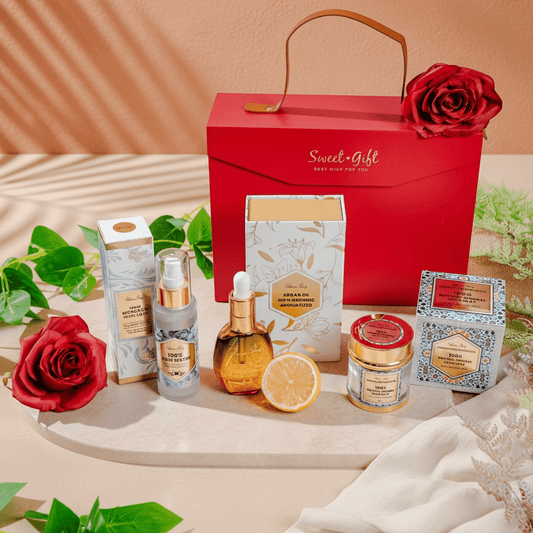
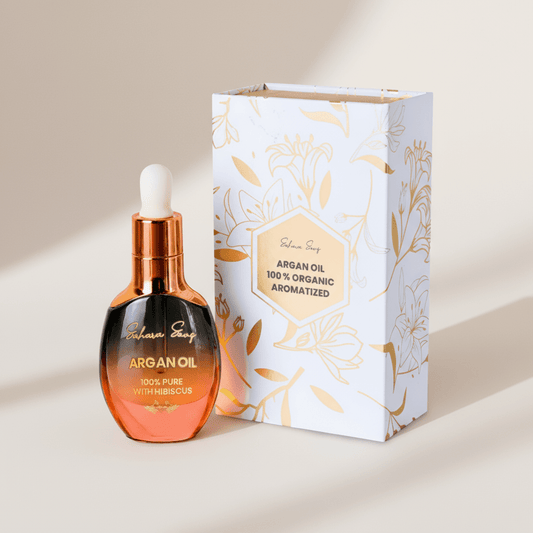
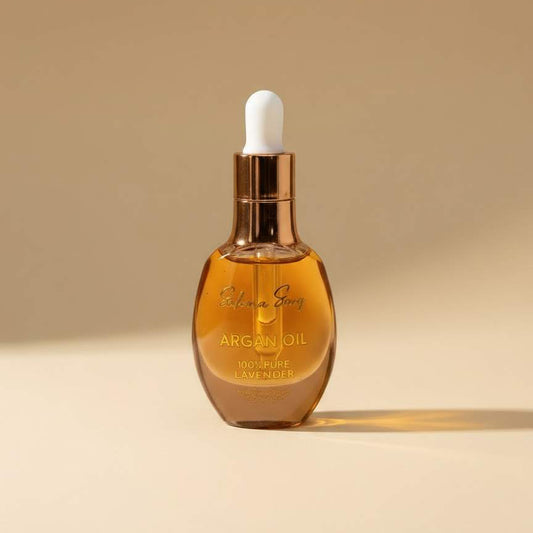
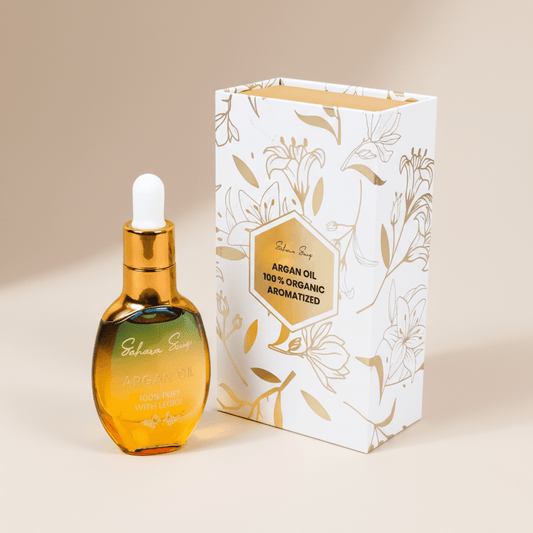
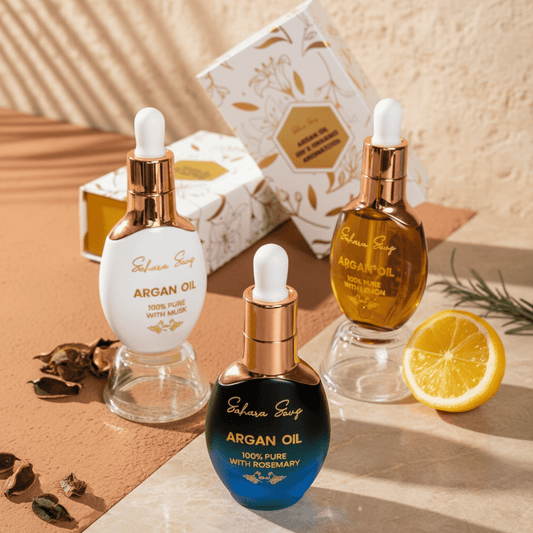
If you’re searching for pure prickly pear seed oil you may experience sticker shock. The reason this oil is expensive is due to the fact that it takes a lot of tiny seeds to produce a very small amount of oil. You may be able to find affordable sources but know that it comes with the risk of buying an inferior oil that might be adulterated (cut with a cheaper oil), which certainly won’t deliver the same results as a high-quality source. To fully reap the benefits of this oil, we recommend opting for organic, cold-pressed and from a trust-worthy source. These forms of extractions help the oil to retain all of the skin-loving nutrients and antioxidants that keep your skin looking and feeling its best. Prickly pear seed oil is not part of our range, but our own argan oils follow the same rule: cold-pressed and from Morocco. You can browse them at saharasouq.com.
Prickly Pear Cactus via ilyani ali
Sources
- El Harkaoui S, Gharby S, Kartah B, et al. Lipid profile, volatile compounds and oxidative stability during the storage of Moroccan Opuntia ficus-indica seed oil. Grasas y Aceites. 2023;74(1):e486. doi.org/10.3989/gya.1129212
- Downing DT, Stewart ME, Wertz PW, Strauss JS. Essential fatty acids and acne. Journal of the American Academy of Dermatology. 1986;14:221–225. PubMed 2936775
- Letawe C, Boone M, Piérard GE. Digital image analysis of the effect of topically applied linoleic acid on acne microcomedones. Clinical and Experimental Dermatology. 1998;23:56–58. PubMed 9692305
This article is general skincare information, not medical advice. For persistent acne, see a doctor or dermatologist.