Moroccan Rhassoul: Nature’s Spa in Your Home

Rhassoul (Moroccan Lava Clay): The Ancient Secret for Radiant Skin and Hair
In the heart of the Atlas Mountains of Morocco lies a natural wonder that has been revered for centuries—Rhassoul (also known as Ghassoul), a mineral-rich clay with transformative properties for skin and hair. Used in traditional Moroccan hammams (steam baths), Rhassoul has gained global popularity as a powerful, natural beauty treatment. This clay is celebrated for its deep cleansing, exfoliating, and rejuvenating abilities, making it a must-have in any skincare routine.
In this article, we’ll explore the origins, benefits, and science behind Rhassoul lava clay, share some fun and easy ways to incorporate it into your beauty regimen, and discuss the ethical and sustainable practices involved in sourcing this precious Moroccan ingredient.
The Origins of Rhassoul Clay: Sourced from the Atlas Mountains
Rhassoul clay is mined from ancient deposits located in the foothills of the Atlas Mountains in Morocco. This region is one of the few places in the world where this unique clay can be found. Despite its "lava clay" nickname, Rhassoul is not volcanic. Geologists identify it as stevensite, a magnesium-rich clay that formed millions of years ago in the sediments of an ancient lake at Jbel Rhassoul. It is made mostly of silica and magnesium, with smaller amounts of other minerals such as calcium.
The name "Rhassoul" is derived from the Arabic verb "ghasala," meaning "to wash," and this perfectly reflects its primary use as a cleansing agent. Traditionally, Moroccan women would mix Rhassoul clay with water to create a silky paste that could be used as a cleanser for both skin and hair, a ritual still practiced in Moroccan homes and hammams today.
The Science Behind Rhassoul Clay: Mineral Power for Skin and Hair
Rhassoul lava clay is more than just a cleansing agent. Here is what it is made of, and what that means for your skin and hair:
-
Silica: Rhassoul is a silicate clay. Its tiny, flat particles swell in water, which is what turns the powder into a smooth, silky paste that spreads easily and rinses clean.
-
Magnesium: Together with silica, magnesium is the clay’s main building block. In lab measurements, one gram of the clay has a surface area of about 133 square metres, which helps it hold on to surface oil and grime. Rinsed before it dries, it suits both oily and dry skin types.
The Benefits of Rhassoul Lava Clay

1. Deep Cleansing without Stripping
Rhassoul lava clay acts like a natural magnet for impurities. Its fine, layered particles soak up excess oil and dirt from the skin and scalp. Because it contains no foaming detergent, it does this without stripping the skin’s natural oils, which makes it an effective yet gentle cleanser, including for sensitive skin.
2. Exfoliation and Skin Tightening
Rhassoul has natural exfoliating properties, helping to remove dead skin cells and improve skin texture. Used regularly, a Rhassoul lava clay mask leaves the skin smoother and clearer-looking by lifting away dull surface flakes.
3. Oil and Acne Control
For oily or acne-prone skin, Rhassoul clay is a useful weekly step. It soaks up excess sebum (oil) on the surface and helps keep pores clear, which reduces the look of blackheads. Research on clay masks points the same way. In a 2023 study of 75 adults with oily or combination skin, a clay mask used twice a week for four weeks lowered sebum levels and improved acne-related scores. That study tested a commercial clay mask, not rhassoul, and was run by the mask’s maker, so read it as a guide to what clay can do.
4. Hair Care
Rhassoul is also highly effective when used as a natural shampoo or hair mask. It lifts excess oil and product build-up from the scalp without foaming detergents, so hair is left clean, soft and full of body rather than stripped.
Ethical Sourcing: Sustainability and Tradition
At Sahara Souq, we are committed to sourcing Rhassoul clay in a way that supports both the environment and local Moroccan communities. Rhassoul is mined by hand from ancient deposits in the Atlas Mountains, where local cooperatives follow sustainable extraction methods to preserve the landscape and ensure the clay's purity.
By working with women’s cooperatives, we ensure that the people involved in the production of Rhassoul clay are paid fair wages and that traditional clay-harvesting practices are preserved. These cooperatives are often a critical source of income for women in rural Morocco, allowing them to support their families and communities.
How to Use Rhassoul Clay: Incorporating It into Your Beauty Routine

Rhassoul lava clay is incredibly versatile and can be used in a variety of ways. Here’s how to incorporate it into your skincare and hair care routine:
1. Rhassoul Face Mask
Mix 1 tablespoon of Rhassoul clay with 1 tablespoon of rose water or plain water to create a paste. Apply this mixture to your face, avoiding the eye area. Leave it on for 5–10 minutes and rinse with warm water while it is still slightly damp. Do not let it dry and crack: a fully dried clay mask pulls water back out of the skin. Your complexion will feel clean, soft and glowing.
Tip: For added hydration, mix Rhassoul clay with a few drops of argan oil or aloe vera gel.
2. Rhassoul Hair Mask
To use Rhassoul as a hair treatment, mix 2 tablespoons of the clay with warm water until you have a smooth paste. Apply the mixture to wet hair, focusing on the scalp and roots. Leave it on for 10–20 minutes before rinsing thoroughly with water. Your hair will feel soft, clean, and refreshed.
Tip: For extra shine, follow up with a rinse of diluted apple cider vinegar or rose water.
3. Full-Body Detox in the Hammam
In traditional Moroccan hammams, Rhassoul is used to cleanse and exfoliate the entire body. After a session in the steam room, Rhassoul clay is applied to the skin, absorbing impurities and leaving the skin silky smooth. If you don’t have access to a hammam, you can recreate this experience at home.
How to Do This at Home:
After a hot bath or shower, apply a thick layer of Rhassoul clay to your body and leave it on for about 15 minutes, keeping it damp (the steam of a warm bathroom helps). As it sits, the clay lifts oil and dead skin. Rinse off with warm water before it dries and enjoy the feeling of deeply cleansed, smooth skin.
Rhassoul in the Moroccan Hammam Tradition

Rhassoul clay is an integral part of the traditional Moroccan hammam ritual. After a thorough steam, bathers apply black soap to the body to cleanse and exfoliate, followed by a Rhassoul clay treatment to purify the skin and hair. This ritual has been practiced for centuries, and even today, it remains a beloved part of Moroccan culture.
The Rhassoul clay treatment in a hammam is seen not only as a beauty treatment but also as a way to relax and reconnect with the body. The rich, mineral-infused clay nourishes the skin, while the relaxing environment of the hammam provides a sense of calm and rejuvenation.
Why Choose Rhassoul Clay from Sahara Souq?
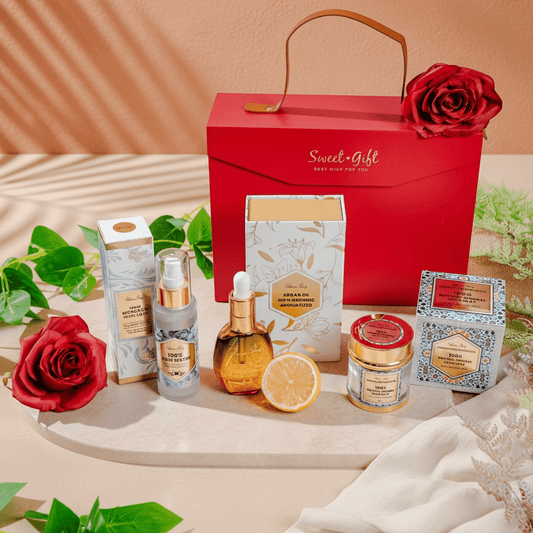
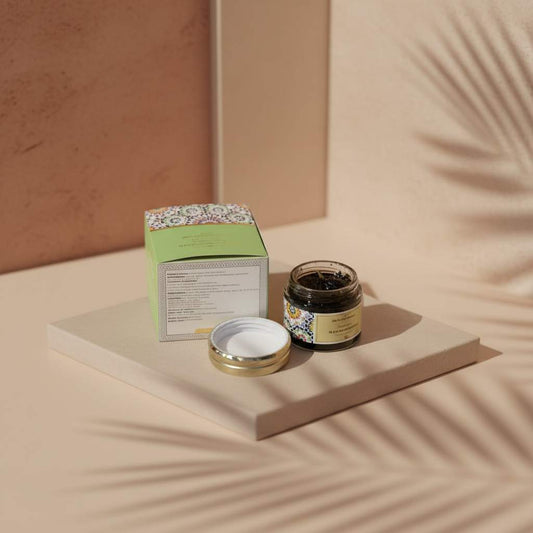
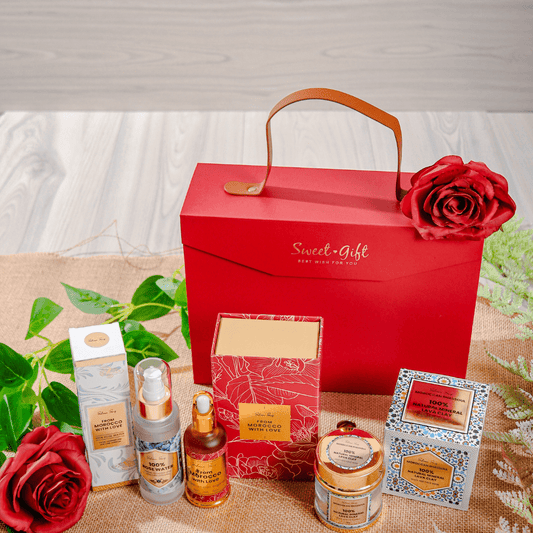
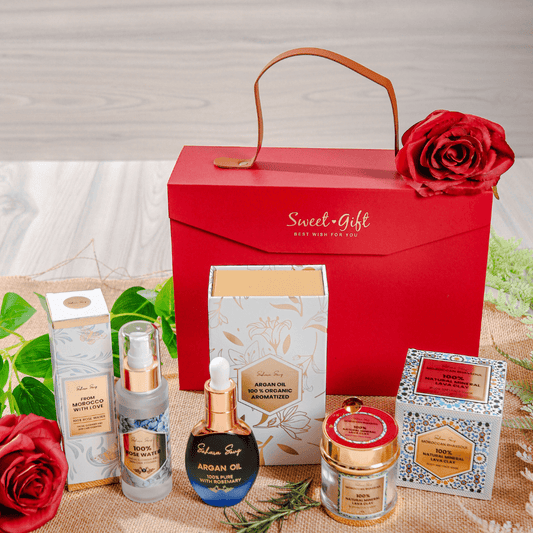
At Sahara Souq, we offer the highest quality 100% natural Rhassoul clay, ethically sourced from the Atlas Mountains of Morocco. Our clay is hand-harvested and undergoes minimal processing to ensure that you receive all the minerals and benefits in their purest form. Here’s what sets our Rhassoul clay apart:
- Ethically Sourced: We work directly with women’s cooperatives in Morocco to ensure fair wages and sustainable production practices.
- Pure and Natural: Our Rhassoul clay is free from additives, preservatives, or any artificial chemicals—just pure, mineral-rich clay straight from the source.
- Versatile and Effective: Whether you use it as a face mask, hair mask, or body treatment, our Rhassoul clay offers multiple beauty benefits for all skin and hair types.
Conclusion: Discover the Timeless Benefits of Rhassoul Clay
Rhassoul clay has been cherished for centuries for its remarkable ability to cleanse, detoxify, and rejuvenate the skin and hair. From its origins in the Atlas Mountains of Morocco to the traditional Moroccan hammam, Rhassoul has a rich history of beauty and wellness.
By choosing Rhassoul clay from Sahara Souq, you’re not only indulging in a luxurious and effective beauty treatment but also supporting ethical, sustainable practices that benefit local Moroccan communities.
Explore the power of Rhassoul clay and transform your beauty routine with Sahara Souq. Visit Sahara Souq to discover more!
Sources
- Chahi A, Duringer P, Ais M, Bouabdelli M, Gauthier-Lafaye F, Fritz B. Diagenetic transformation of dolomite into stevensite in lacustrine sediments from Jbel Rhassoul, Morocco. Journal of Sedimentary Research. 1999;69(5):1123–1135. doi.org/10.2110/jsr.69.1123
- Benhammou A, Tanouti B, Nibou L, Yaacoubi A, Bonnet JP. Mineralogical and physicochemical investigation of Mg-smectite from Jbel Ghassoul, Morocco. Clays and Clay Minerals. 2009;57(2):264–270. doi.org/10.1346/CCMN.2009.0570212
- Zhang X, Zhang Z, Tao H, et al. Comprehensive assessment of the efficacy and safety of a clay mask in oily and acne skin. Skin Research and Technology. 2023;29(11):e13513. PubMed 38009030
This article is general skincare information, not medical advice. For persistent acne or a scalp condition, see a doctor or dermatologist.